You’ve got 30 minutes at the rest stop before you need to roll again. Not enough time for a gym, not enough energy to talk yourself into a run in your work boots. This is exactly the gap a jump rope was built to fill.
A rope weighs next to nothing, fits in a door pocket or glovebox, and turns any patch of flat pavement into a workout. No membership, no equipment bag, no excuses about there not being a gym for 200 miles.
Why Jump Rope Works for Life on the Road
Driving is a sitting job. Your legs, hips, and lower back pay the price after enough hours behind the wheel — stiffness, poor circulation, that heavy, sluggish feeling by hour eight. Jumping rope hits all three problems at once:
- It’s a full-body move. Calves, quads, shoulders, and core all fire together, which means more benefit per minute than most cab-friendly exercises.
- It gets your blood moving fast. A few minutes is enough to wake up legs that have been still for hours and help fight the swelling that comes with long sitting stretches.
- It fits your schedule, not the other way around. Ten minutes at a fuel stop is a real workout. You don’t need a full hour to get something out of it.
- It travels light. A rope rolls up smaller than a phone charger and won’t take up cargo space you need for anything else.
Three Routines That Fit in a Fuel Stop
The 5-Minute Wake-Up
Jump at an easy, steady pace for 60 seconds, rest for 30, and repeat five times. This is the one to reach for when you’re groggy and just need to reset before getting back on the road.
The 10-Minute Rest Area Circuit
Alternate one minute of jumping with 20 bodyweight squats, then one minute of jumping with 10 push-ups against the truck. Run through the whole circuit twice. It’s enough to genuinely raise your heart rate without leaving you gassed for the next leg.
The 2-Minute Blood Flow Reset
Short on time or fuel stop is too crowded to swing a rope safely? Do 30 seconds of jumping jacks, 30 seconds of high knees, and 60 seconds of easy jumping. It won’t replace a full workout, but it beats sitting the whole way through your break.
Getting Started Without Overthinking It
If you haven’t jumped rope since grade school, ease into it. Your calves and shins need a week or two to adjust to the impact, especially if you’ve been sitting most of the day for months or years. Start with short sessions, build up gradually, and stop if you feel sharp pain in your shins — that’s your body asking for more recovery time, not more reps.
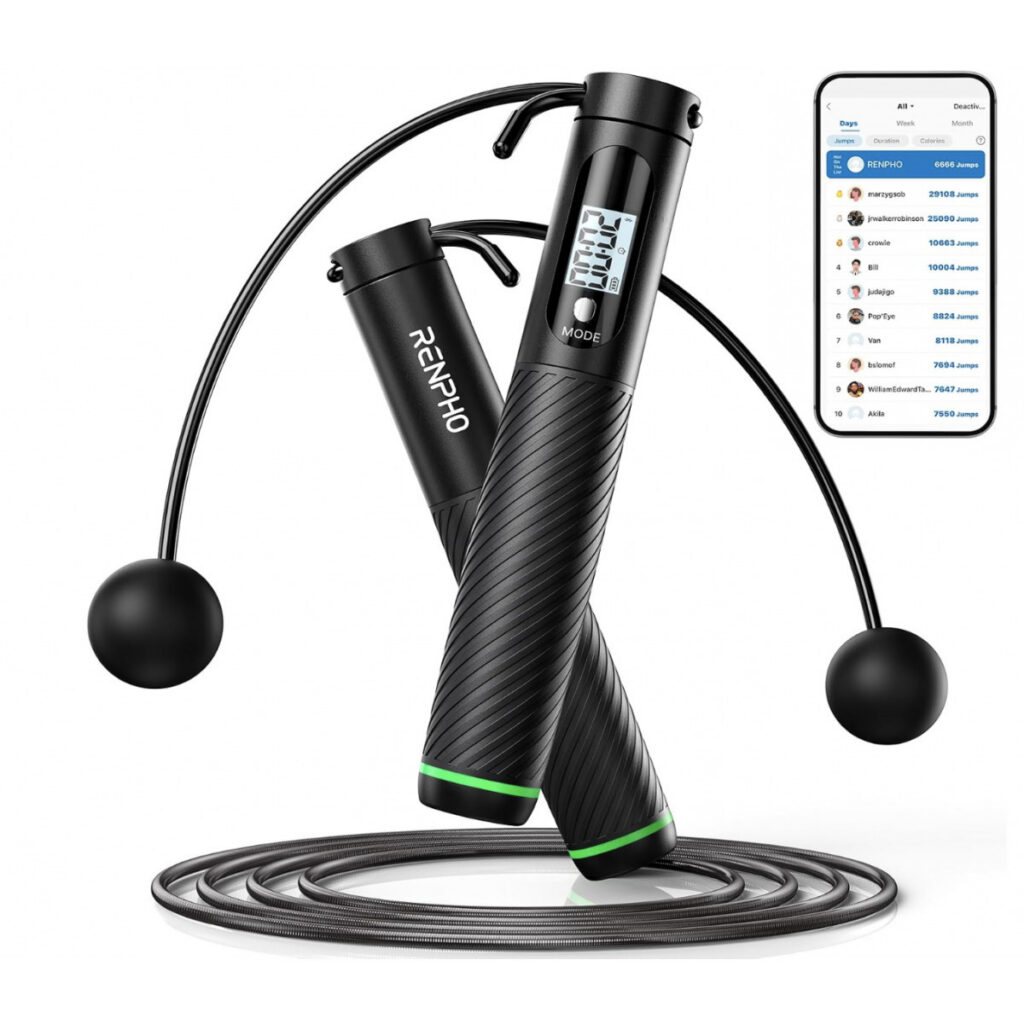
A basic rope is all you need to start. As you get more consistent, a weighted or speed rope can add variety, and a small interval timer app takes the guesswork out of your rest periods.
What to look for in a road-ready rope: adjustable length (so it works whether you’re 5’4″ or 6’4″), durable PVC or nylon coating that won’t fray on asphalt, and comfortable, non-slip handles you can grip even with gloves on in cold weather.
The Bottom Line
You don’t need a truck stop gym or a change of clothes to get real movement into your day. A rope in the door pocket and 10 minutes at your next stop is enough to start chipping away at the stiffness that comes with the job — one skip at a time.