Sitting for hours, climbing in and out of the cab, and the general wear of the job all add up to the kind of stiffness and soreness that ice packs and stretching don’t always fully touch. Red light therapy has become a popular at-home option drivers are trying for extra recovery support — here’s what it actually is.
What Red Light Therapy Actually Is
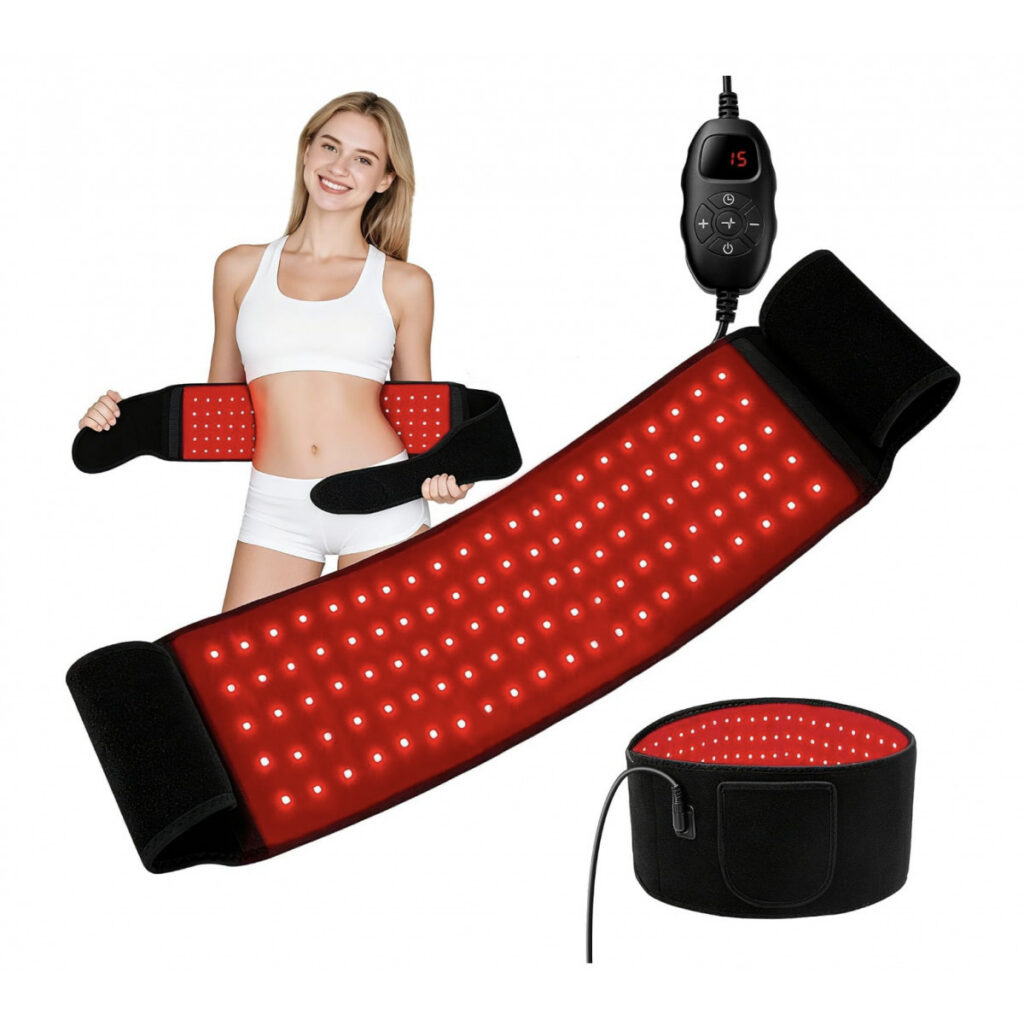
Red light therapy uses low levels of red and near-infrared light on the skin, typically from a handheld device or small panel. It’s a passive treatment — you hold or position the device near the area you’re targeting for a set number of minutes, with no heat or discomfort involved.
What It May Help With
Research on red light therapy is still developing, but a number of studies have looked at its use for reducing minor inflammation, easing muscle soreness, and supporting recovery after physical strain. Many users report feeling looser or less achy after consistent use, particularly on areas like the lower back, neck, and knees. It’s worth being clear-eyed here: results vary by person, and it works best as one part of a broader recovery routine — not a standalone fix.
How Drivers Use It in the Cab
- During downtime, not while driving — a compact panel or wand used for 10–15 minutes during a rest stop or before bed targets the areas that get the most strain.
- Common target areas — lower back, neck, and shoulders tend to be the most common spots drivers target after a long shift.
- Consistency over intensity — most devices recommend a handful of sessions a week rather than daily use — check the specific device’s guidance rather than guessing.
What to Look for in a Device
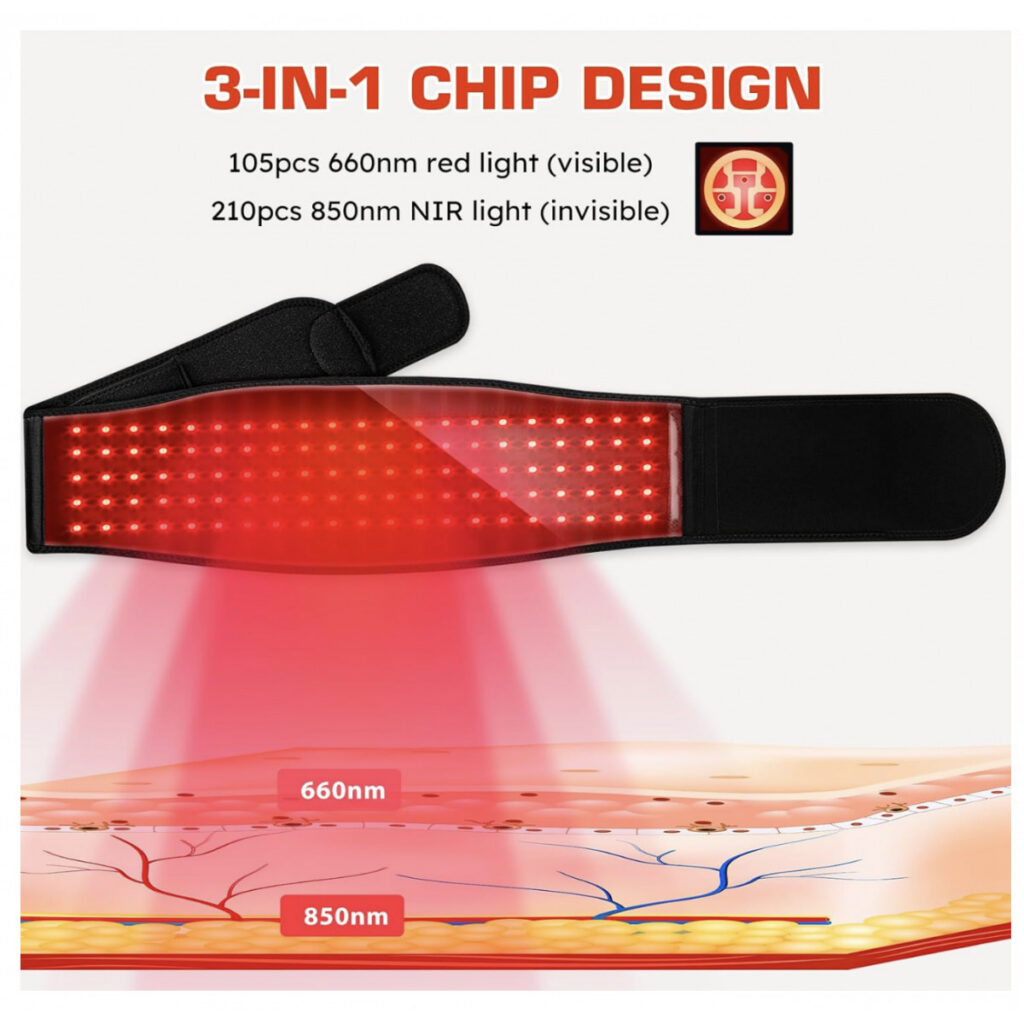
- Wavelength — look for devices in the red and near-infrared range, generally cited in most consumer research and product guidance.
- Size and portability — a handheld wand or small panel is realistic for cab use — full-body panels aren’t practical in a truck.
- Auto shut-off/timer — a built-in timer keeps sessions consistent without you having to watch the clock.
A Few Things Worth Knowing
Red light therapy is generally considered low-risk for short-term personal use, but it isn’t a substitute for medical care. Chronic pain, an injury that isn’t improving, or pain that comes with numbness or swelling is worth getting checked by a doctor rather than managing with a device alone. If you’re pregnant, have a light-sensitivity condition, or are on medication that increases photosensitivity, check with a doctor before using any light therapy device.

The Bottom Line
Red light therapy won’t replace stretching, good sleep, or a proper seat setup, but it’s a low-effort addition a lot of drivers are folding into their recovery routine. Like anything on this blog, the goal is giving your body a little extra support for a job that asks a lot of it.